
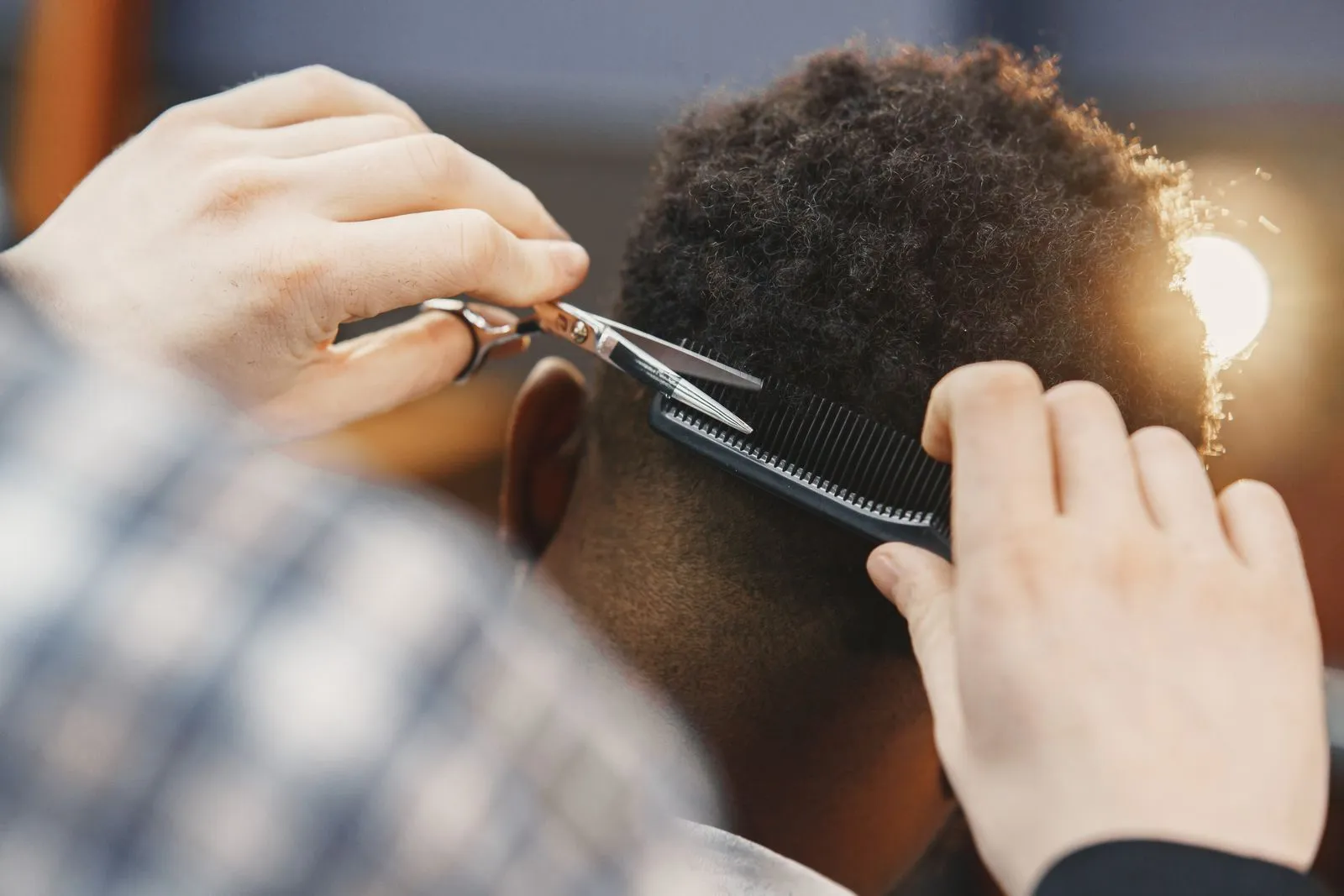
Short hair can look polished with surprisingly little effort, but keeping its shape often takes regular trims. There’s no single schedule that works for every crop, pixie, or bob. Your cut’s details, your hair’s growth, and how precise you want your style to look all matter. Use these practical cues to choose a routine that suits your hair—and adjust it when your shape starts asking for a refresh.
Start With Your Cut’s Shape
A close crop or sharply tapered cut usually shows growth quickly. As hair lengthens, the sides and neckline can lose their clean outline, so you may want a trim every few weeks to maintain a crisp finish. A textured pixie may allow more flexibility because its layers can grow out with a softer, less exact shape.
Bobs and other short styles with a defined perimeter often need attention when the ends begin to look uneven or the outline no longer sits as intended. Layered or tousled cuts may keep their character longer between appointments. Ask your stylist which parts of your specific cut need the most upkeep, rather than relying on a one-size-fits-all calendar.
Account for Your Hair Growth
Hair does not grow at the same visible pace for everyone, and even steady growth can change how a short cut looks. A small amount of added length may noticeably soften a fade, shift a fringe, or make a carefully balanced silhouette feel heavier. Pay attention to when your usual shape starts taking more effort to recreate.
Your texture and natural growth patterns also affect the grow-out. Cowlicks, curls, and waves can respond differently as length changes, while fine, straight hair may reveal an uneven outline sooner. If you are unsure, track how long your last cut looked the way you liked it. That gives you a useful starting point for planning the next trim.
Match Trims to Your Styling Goals
If you want a precise, freshly shaped look every day, plan for more frequent trims. Keeping a short style tidy can also make daily styling simpler, especially when the cut relies on a clean neckline or a specific fringe length. If you prefer a relaxed, lived-in finish, you may be comfortable letting it grow longer before returning to the salon.
Consider upcoming plans and how much styling time you want to spend. A trim before an event can restore the outline, but avoid making a major change at the last minute if you are trying a new shape. Tell your stylist whether you want to preserve the current cut, make it easier to style, or begin growing it out; those goals call for different approaches.
Notice When It’s Time
Your mirror and your morning routine offer helpful clues. Book a trim when the sides feel bulky, the neckline looks untidy, the fringe keeps falling into your eyes, or the cut no longer falls into place with your usual styling. You may also notice that you are using more product or spending longer trying to get the same result.
A trim does not always mean taking off a lot of length. Your stylist can clean up the perimeter, refine a few layers, or reshape the edges while keeping the overall style intact. At Crop & Co in Traverse City, bring a photo of the cut on a good hair day and explain what has changed; that makes it easier to agree on how much to remove.
The right trim schedule is the one that keeps your haircut working for your routine. Use the cut’s shape, its grow-out, and your styling preferences as guides, then adjust when the outline or daily styling starts to feel off. If you want help choosing a schedule for your short style, talk with your stylist at your next appointment.